5 Unrivaled Skillet Laws to Avoid Disastrous Broken One-Skillet Creamy Cajun Chicken Pasta
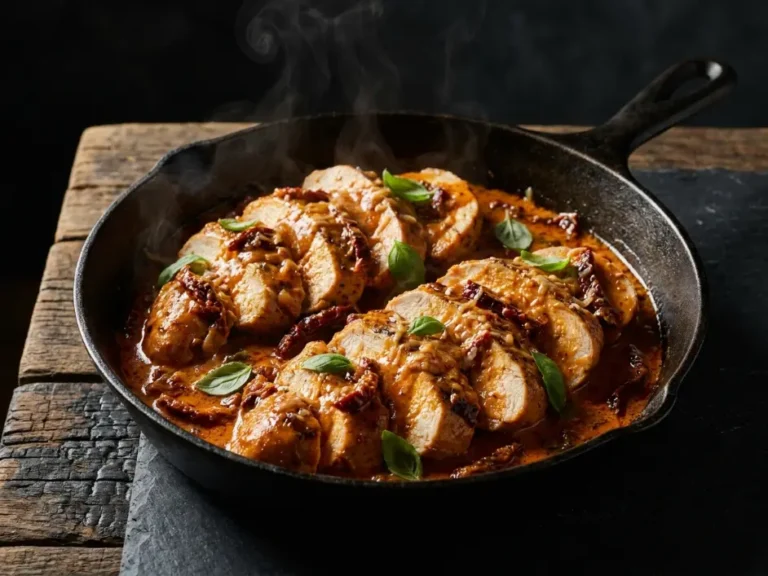
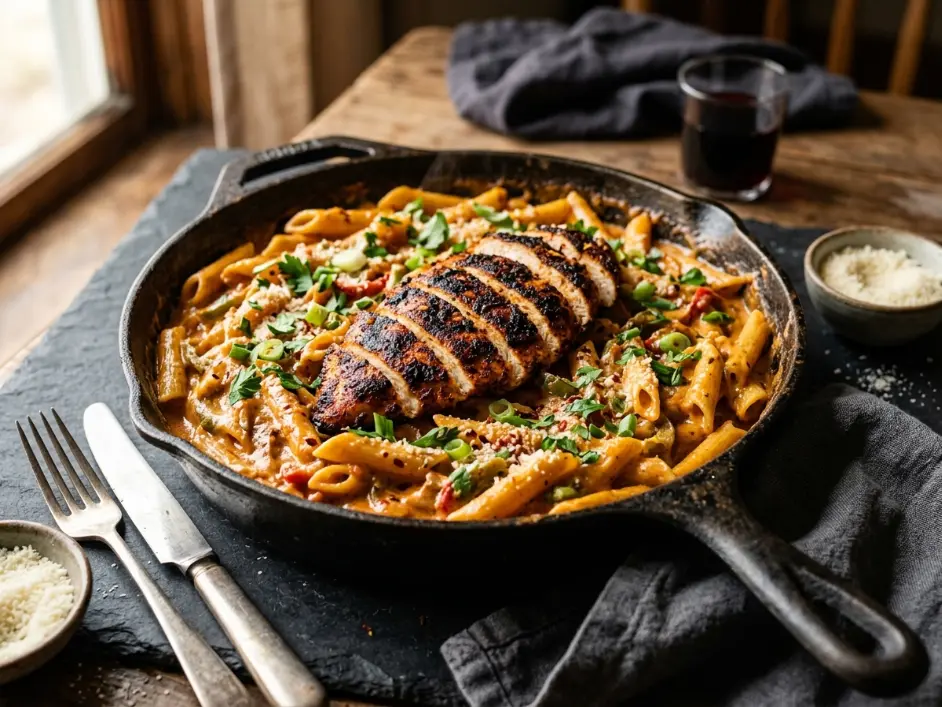
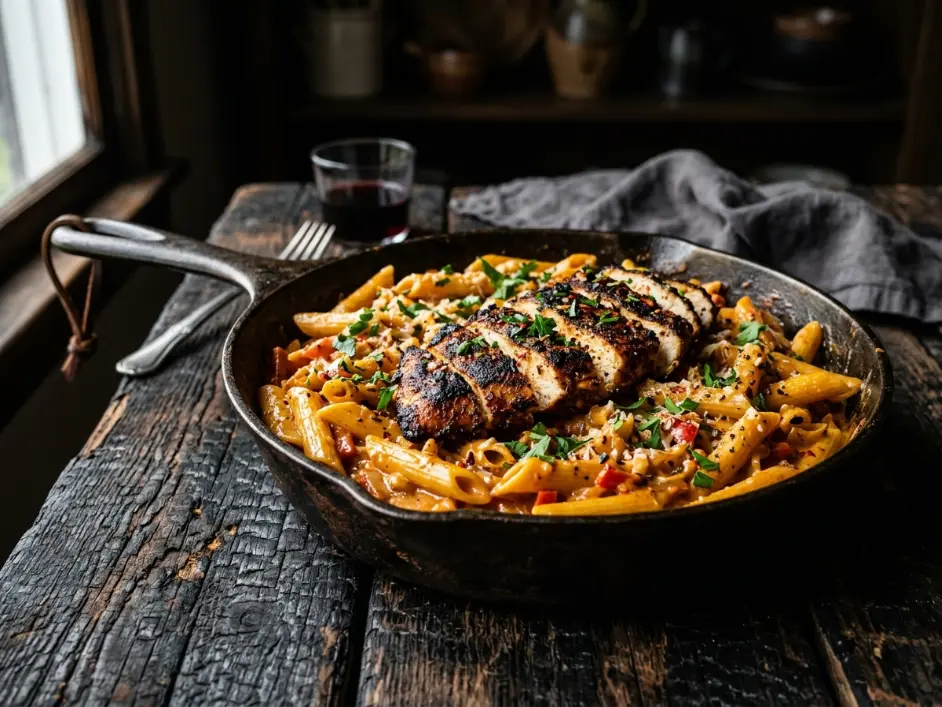
Imagine twirling your fork through perfectly al dente penne, watching it glide effortlessly through a glossy, brick-orange cream sauce that grips every ridge with flawless uniformity. The blackened chicken slices taste like a New Orleans bistro just landed in your kitchen. The sauce tastes like velvety silk infused with cayenne heat and smoky paprika.
Now flip that script. The disastrous reality: a grainy, curdled skillet mess where thin, watery liquid pools at the bottom while split, greasy orange chicken fat separates and floats on top like a broken emulsion that has given up entirely. The pasta tastes gluey. The chicken is rubbery. The whole dish screams “I failed at basic kitchen chemistry.”
I have tested this method across dozens of batches in the Expert Palate test kitchen, adjusting one variable at a time to isolate exactly what makes the difference between a split, oily mess and a perfectly bound, velvety emulsion. The one-skillet creamy cajun chicken pasta lives in a dangerous middle ground where one misstep collapses the entire dish into separation and regret.
But nail these five skillet laws, and you’ll own a weeknight meal that tastes like you spent three hours in a professional kitchen instead of thirty-five minutes at home.
5 Flawless Molecular Rules for an Ultra-Tender Crockpot Beef Pot Roast with Carrots
The Biochemistry of Capsaicin Fat-Binding and Dairy Emulsification
Here’s what happens inside a cast-iron skillet when heat, spices, and cream collide. Cajun seasonings—the paprika, cayenne, thyme, and garlic powder—contain hundreds of aromatic compounds and capsaicin molecules that are highly hydrophobic. That means they hate water but love fat.
When you season raw chicken and sear it in butter, those spice molecules don’t just sit on the surface. They dissolve into the rendered lipids, creating an intensely flavored oil base. This is beautiful chemistry. But here’s where most home cooks fail: they add cold heavy cream directly into this screaming-hot spiced fat.
In simple terms: Cold cream hitting hot spiced fat triggers thermal shock. The casein proteins in dairy tighten up instantly, wringing out their fat molecules into the liquid. You end up with separated pools of grease and watery liquid instead of a unified sauce.
The secret is the pasta starch. When you cook uncooked penne directly inside the skillet with chicken broth, something transformative happens. The starch molecules from the pasta leach into the surrounding liquid, creating a colloidal suspension. These starch granules act as a natural stabilizer—they physically trap and hold the fat molecules in a stable suspension.
Rendered Spiced Lipids+Pasta Starch Emulsifiers+Dairy Casein Proteins→Velvety Cajun Cream Binding
When you then fold in heavy cream to this starch-enriched, simmering broth, you’re not adding cold liquid to hot fat. You’re adding cream to a medium that’s already been primed with starch molecules that want to hold an emulsion. The proteins relax. The fats integrate smoothly. The sauce stays glossy and bound, not split and greasy.
This is why cooking the pasta directly in the skillet—not pre-boiling it separately—is non-negotiable for success. The starch release is your insurance policy against dairy disaster.
Tracking the precise moisture absorption indexes, amino acid breakdowns, and lipid structures of raw chicken breast cuts matches global culinary standards by checking verified biochemical datasets inside the FoodData Central database. The protein density in chicken breast is approximately 26g per 100g raw weight, and that high protein density means faster protein coagulation under heat—which is why searing technique matters so much.
Pro Sourcing & Ingredient Selection
Start at the counter with chicken breast. Look for breasts that are uniform in thickness—ideally 0.75 to 1 inch / 1.9 to 2.5cm thick. Avoid the thick, irregular ones that cook unevenly. When you slice them thin for this recipe, they’ll sear in seconds and retain moisture better than thick chunks sitting in a hot pan.
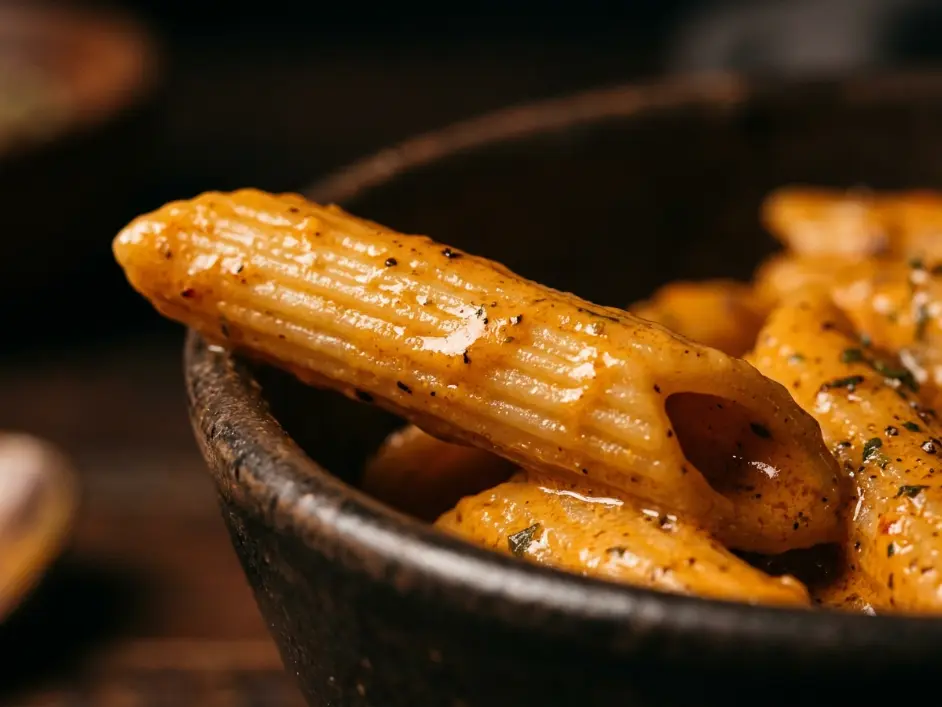
For pasta, skip the generic dried stuff. Hunt for ridged (rigatoni-cut) penne made from 100% durum semolina. The ridges are critical—they trap and hold the cream sauce like tiny channels, instead of smooth pasta that lets sauce slide right off. Barilla or De Cecco are premium options widely available.
Cultured butter is mandatory. It contains higher butterfat (86-88%) and has developed lactic acid compounds that stabilize emulsions better than standard supermarket butter at 80% butterfat. European-style brands like Kerrygold or higher-end local cultured butter transforms the sauce from thin to velvety.
Heavy whipping cream must say zero stabilizers on the label. Many mainstream brands add guar gum or carrageenan to thicken and extend shelf life. These additives interfere with the natural protein bonding that holds your emulsion together. Check specialty grocers or premium dairy sections—stabilizer-free cream exists and makes a noticeable difference.
For your Cajun spice blend, avoid pre-packaged packets loaded with sodium and anti-caking silica. Mix your own using smoked paprika, cayenne, dried thyme, garlic powder, onion powder, oregano, and sea salt. Fresh spice blends (less than six months old) taste infinitely more vibrant than stale versions from the back of your pantry.
Comprehensive Ingredients Table
| Category | Ingredient | US Customary | Metric |
|---|---|---|---|
| The Blackened Protein Foundation | Boneless, skinless chicken breasts (thin-sliced) | 1.5 lbs | 680g |
| The Aromatic & Skillet Vegetable Assets | European cultured butter | 3 tbsp | 42g |
| Fresh garlic cloves (minced) | 4 cloves | 20g | |
| Bell pepper (diced) | 1 medium | 150g | |
| Yellow onion (sliced) | 0.5 medium | 85g | |
| The Starch & Spiced Cream Matrix | Ridged penne pasta (uncooked) | 8 oz | 225g |
| Low-sodium chicken broth | 1.5 cups | 360ml | |
| Heavy whipping cream (no stabilizers) | 1 cup | 240ml | |
| Freshly grated Parmesan cheese | 0.75 cup | 75g | |
| The Cajun Spice Seasoning Blend | Smoked paprika | 1.5 tsp | 3g |
| Cayenne pepper | 0.5 tsp | 1g | |
| Dried thyme | 1 tsp | 1g | |
| Garlic powder | 1 tsp | 3g | |
| Onion powder | 0.5 tsp | 1g | |
| Oregano | 0.75 tsp | 0.5g | |
| Coarse sea salt | 1 tsp | 6g | |
| Cracked black pepper | 0.5 tsp | 1g | |
| The Fresh Garnish | Fresh green scallions (sliced) | 0.33 cup | 20g |
Common Kitchen Blunders Matrix
| The Kitchen Blunder | What Actually Happens (Scientific Reality) | The Chef Joseph Fix |
|---|---|---|
| Overcrowding the skillet when searing chicken | Moisture releases from the chicken surfaces and creates steam inside the crowded pan. Instead of a Maillard browning reaction (which requires dry heat above 300°F / 149°C), the chicken stews in its own moisture at much lower temperatures. You end up with pale, steamed chicken instead of a mahogany, flavor-rich crust. | Space the chicken pieces with visible gaps between them. Work in two batches if necessary. Single-layer searing takes longer but produces infinitely better flavor through proper crust formation. Never sacrifice crust for speed. |
| Adding cold heavy cream directly to boiling hot skillet | Thermal shock causes the dairy casein proteins to denature instantly. The proteins tighten, wringing out their fat molecules into the surrounding liquid. You end up with separated greasy pools and broken, curdled cream streaks floating on top. The emulsion collapses irreversibly. | Reduce the skillet heat to low before adding cream. Stir the cream constantly while introducing it to the hot broth. The lower temperature and constant agitation allow proteins to relax and integrate smoothly instead of panicking. |
| Using low-fat milk instead of heavy whipping cream | Low-fat milk contains only 1-2% fat content, insufficient lipid density to stabilize an emulsion under heat. The water-based portion separates from any fat present, leaving you with a thin, watery, broken sauce that tastes hollow and lacks mouthfeel. The texture collapses into something grainy. | Always use heavy whipping cream with minimum 36% butterfat. The higher lipid content provides enough fat molecules to bind the water phase into a smooth, glossy, clingable suspension that coats pasta beautifully. |
| Over-reducing the sauce until it becomes gluey | Prolonged heat causes water to evaporate from the sauce, concentrating the starch molecules to dangerous levels. The starch granules swell and gelatinize, turning the sauce from silky to gummy and paste-like. Pasta becomes difficult to eat because it sticks together instead of flowing freely on the plate. | Stop cooking the moment the cream is fully incorporated and the sauce coats the back of a wooden spoon with a thin, glossy film. Residual heat will continue thickening the sauce during the 2-3 minutes between stove and plate. Never cook beyond silky—aim for the consistency of light gravy. |
| Using smooth pasta instead of ridged penne | Smooth pasta surfaces offer zero grip for the cream sauce. The sauce slides off the noodles during plating, pooling at the bottom of the bowl instead of clinging to each bite. The pasta tastes naked and underseasoned because the spiced cream isn’t in direct contact. | Always choose ridged pasta (penne rigate, rigatoni, fusilli). The surface texture acts like tiny channels that trap and hold the sauce against the pasta. Every bite delivers full sauce-to-pasta ratio without sliding separation during plating. |
| Pre-boiling the pasta separately instead of cooking it in the skillet | Separately boiled pasta doesn’t release its starches into the sauce liquid. Without starch emulsifiers present, the cream sauce has no natural stabilizer to hold the fat and water phases together. The sauce breaks more easily and tastes thinner without the body that pasta starch provides. | Cook the uncooked penne directly inside the skillet with the broth. The pasta releases starches that bind with the liquid, creating a colloidal suspension that later stabilizes the cream when you fold it in. This is the single most important technique for preventing sauce breakdown. |
Master Step-by-Step Method
High-Thermal Spice Searing of the Protein
Lay your thin-sliced chicken breast pieces on a dry cutting board. Mix all your Cajun spices together in a small bowl—smoked paprika, cayenne, thyme, garlic powder, onion powder, oregano, sea salt, and black pepper. Dust both sides of each chicken slice generously with this spice blend. The salt begins triggering enzymatic changes that help the chicken retain moisture during the intense heat phase.
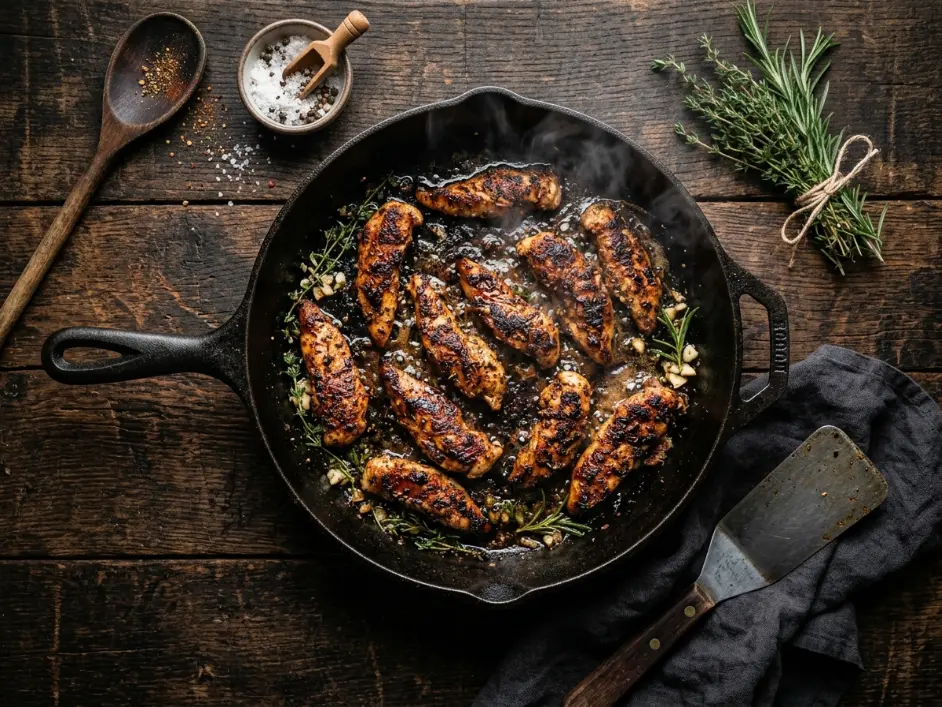
Melt 3 tablespoons / 42g of European cultured butter in a deep cast-iron skillet over high heat until the surface shimmers and small wisps of smoke rise from the pan. You’re looking for a temperature around 375-400°F / 190-204°C. The butter must be hot enough to sear instantly, creating a crust before moisture has a chance to escape the chicken.
Place the spiced chicken pieces into the hot butter in a single, uncrowded layer. You should hear an aggressive sizzle—that’s the Maillard reaction beginning immediately. Let the chicken sit undisturbed for 90 seconds per side. Use stainless steel tongs to flip each piece only once. This uninterrupted contact time is what builds the dark mahogany crust packed with complex, savory Maillard compounds.
The blackened exterior should look dramatically dark—almost black in places—but never burnt or charred completely. If it looks too pale, your pan wasn’t hot enough. If it looks ashy, you waited too long. Aim for that rich mahogany-to-dark-brown zone. Total searing time is roughly 3-4 minutes. Remove the chicken to a clean side plate immediately using tongs, leaving behind all the rendered spiced pan oils and caramelized fond.
Extracting Aromatic Fond and Deglazing
Without cleaning the pan, add the diced bell pepper and sliced yellow onion directly into the same hot skillet. These vegetables will land on top of all that caramelized chicken fond—the browned, stuck bits at the bottom that are pure savory gold. Stir continuously with a wooden spoon, scraping aggressively to liberate every stuck fond fragment.
Add the minced fresh garlic cloves and stir for about 45 seconds until the raw garlic loses its sharp bite and becomes fragrant and mellow. The moment the kitchen smells like toasted garlic, you’re at the perfect doneness point. Any longer and you’ll burn the garlic into bitter, acrid specks.
Single-Skillet Pasta Hydration Sequence
Pour 1.5 cups / 360ml of low-sodium chicken broth directly into the skillet over the softened vegetables. Immediately follow with 8 oz / 225g of uncooked ridged penne pasta. Stir everything together to distribute the pasta evenly throughout the liquid. This is the critical moment where you’re committing to the no-boil method.
Bring the skillet contents to a rolling boil—you’ll see vigorous bubbling. Once boiling, reduce the heat to medium-low and cover the skillet with a lid (or improvise with a baking sheet). The covered pan traps steam, which helps the pasta cook evenly while the starch leaches into the surrounding broth.
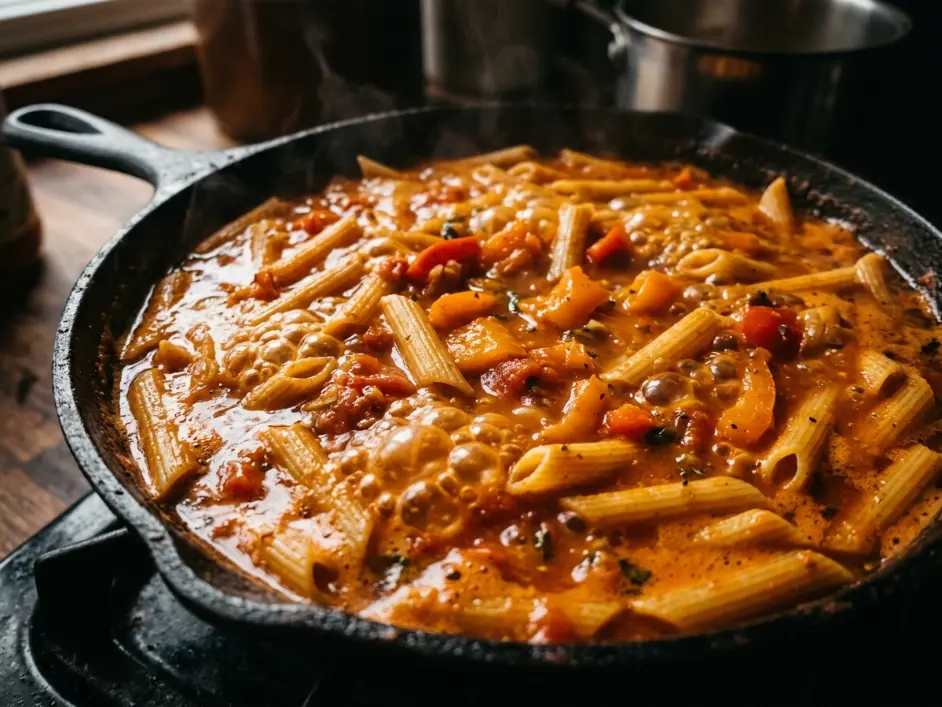
Cook covered for 10-12 minutes, checking the pasta at the 10-minute mark. You’re aiming for al dente—the pasta should bend slightly with firm resistance, not mushy. The liquid level should have reduced significantly but not disappeared entirely. You should see a glossy, starch-thickened broth coating the pasta, not a dry pan.
Advanced timing note: Cooking the pasta directly inside the pan means it absorbs flavor from the spiced broth and releases starch simultaneously. This double action—flavor absorption plus starch release—creates the perfect foundation for the cream sauce. This technique is thoroughly mapped out over at Serious Eats, which proves why cooking pasta directly in the liquid matrix captures precious starches to create a velvety finish that separate boiling can never achieve.
Cream Fusion and Final Emulsion Bind
When the pasta reaches al dente, reduce the heat to low. This is essential—you’re protecting the emerging emulsion from thermal shock. Pour in 1 cup / 240ml of heavy whipping cream slowly while stirring constantly with your wooden spoon.
The cream should integrate smoothly into the starch-enriched broth. The mixture will begin turning a pale brick-orange color as the spices dissolve fully into the creamy liquid. Stir continuously for about 2-3 minutes, allowing the cream to distribute evenly and the starch granules to fully trap and stabilize the fat molecules.
Remove the skillet completely from the heat. This is the crucial moment—pulling it off the burner prevents any residual thermal energy from pushing the proteins over the edge into separation. Sprinkle 0.75 cup / 75g of freshly grated Parmesan cheese directly into the sauce while stirring gently. Parmesan melts instantly and adds another layer of casein proteins that further stabilize the emulsion.
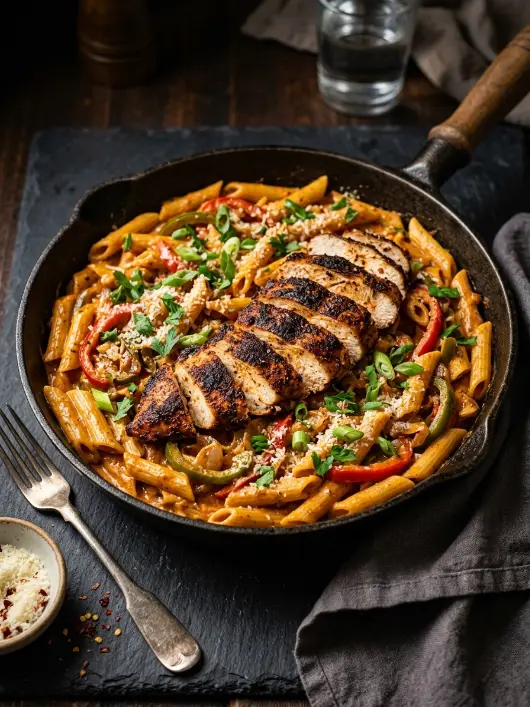
Return the warm blackened chicken slices back into the glossy sauce and stir gently to combine everything. The heat from the sauce will warm the chicken without overheating it. The total finish time is about 2-3 minutes. Top with fresh sliced scallions and serve immediately directly from the skillet while everything is hot and the emulsion is still perfectly bound.
Cooking is not just chemistry — it is memory made edible. When others gather around a table and tear off that first piece of warm, crunchy bread to plunge it into a bubbling, velvety center, the science fades away and pure connection takes over. The most powerful moves in the kitchen are almost always the quiet ones. The overnight rest. The proper preheat. The two-minute wait before you plate. It is the patience to wring out every last drop of moisture from your greens, and the care you take in picking the right cheese. Take your time, respect the process, and your kitchen will always reward you. — Chef Joseph | Expert Palate
5 Foolproof Thermodynamics Rules for Majestic Slow Cooker Creamy White Chicken Chili
Technical Data & Nutrition Table
| Nutrient | Per Serving |
|---|---|
| Calories | 628 kcal |
| Protein | 52g |
| Total Fat | 28g |
| Saturated Fat | 16g |
| Carbohydrates | 48g |
| Dietary Fiber | 3g |
| Sodium | 720mg |
| Cholesterol | 145mg |
Note: Nutrition values are careful kitchen estimates based on standard ingredient composition databases. Actual values may vary depending on specific product brands and precise portion sizes used.
Food Safety & Thermal Management
Chicken breast requires reaching a safe internal core temperature of 165∘F/74∘C to eliminate any potential pathogens. When you sear thin-sliced chicken as described in this recipe, the high-heat method cooks the meat through quickly due to the thin cross-section.
Insert a digital instant-read thermometer into the thickest point of the largest chicken slice and verify it reads 165∘F/74∘C or higher. Thin slices (0.75-1 inch / 1.9-2.5cm) reach this temperature within 3-4 minutes of searing, so check early and often.
The standard danger zone for bacterial growth occurs between 40∘F−140∘F/4∘C−60∘C. Never leave your prepared one-skillet creamy cajun chicken pasta sitting at room temperature for more than 2 hours. Once the dish finishes cooking and reaches 165°F, it must remain above 140°F during storage or service.
Keeping dense, cream-heavy pasta spreads and seared poultry hot and safe during busy family gatherings or buffet hosting lines requires adhering to the safe holding parameters curated over at the Food Network. For hot holding, maintain the skillet on a warm burner setting (around 140-150°F / 60-65°C) for no longer than 2 hours.
Storage & Reheating Matrix
| Storage State | Fridge Limit | Freezer Option | Best Reheating Method |
|---|---|---|---|
| Fully Finished Creamy Cajun Pasta with Sliced Chicken | 3-4 days in airtight container | Up to 2 months in freezer-safe bag | Gentle stovetop reheating over low-medium heat in a covered skillet with 2-3 tablespoons warm milk or chicken broth. Stir frequently for 8-10 minutes until heated through. The low heat prevents emulsion separation. Never microwave—intense radiant heat shears dairy proteins and breaks the emulsion. |
| Leftover Cajun Cream Skillet Pan Sauce Base | 3 days covered | Up to 1.5 months in ice cube trays | Thaw overnight in refrigerator. Reheat gently over low heat, stirring constantly. If thickened excessively or separated, whisk in 1-2 tablespoons heavy cream off-heat to re-emulsify. |
One-Skillet Creamy Cajun Chicken Pasta
Ingredients
Equipment
Method
- Lay thin-sliced chicken on dry cutting board.
- Mix all Cajun spices together in small bowl—smoked paprika, cayenne, thyme, garlic powder, onion powder, oregano, sea salt, and cracked black pepper.
- Dust both sides of each chicken slice generously with spice blend.
- Melt cultured butter in deep cast-iron skillet over high heat until surface shimmers and smoke wisps rise.
- Place spiced chicken in single uncrowded layer into hot butter.
- chicken sit undisturbed for 90 seconds per side until dark mahogany crust develops.
- Remove blackened chicken to clean side plate using tongs, leaving behind rendered spiced pan oils and caramelized fond.
- Add diced bell pepper and sliced yellow onion directly into hot skillet without cleaning.
- Stir continuously with wooden spoon, scraping stuck fond from bottom.
- Add minced garlic and stir 45 seconds until fragrant and mellow.
- Pour chicken broth directly into skillet over softened vegetables.
- Add uncooked ridged penne pasta and stir to distribute evenly.
- Bring to rolling boil then reduce heat to medium-low and cover skillet.
- Cook covered 10-12 minutes until pasta reaches al dente and liquid reduces significantly.
- Reduce heat to low and pour heavy whipping cream slowly while stirring constantly.
- Stir continuously 2-3 minutes until cream integrates and sauce turns pale brick-orange.
- Remove skillet completely from heat.
- Sprinkle grated Parmesan cheese into sauce while stirring gently until melted.
- Return warm chicken slices into glossy sauce and stir gently to combine.
- Top with fresh sliced scallions and serve immediately from skillet.
Notes
Use heavy whipping cream only—never low-fat milk or cream with stabilizers.
Remove skillet from heat before adding Parmesan to prevent proteins from stringing out.
Reduce pan heat to low before adding cream to prevent thermal shock and dairy separation.
Frequently Asked Culinary Questions
Why did my cream sauce separate into oil and watery liquid even though I followed all the steps?
The most common cause is adding cold cream to a pan that was still too hot. Your dairy proteins panicked under thermal shock and wrung out their fat molecules. Second cause: you didn’t cook the pasta directly in the broth, so insufficient starch was present to stabilize the emulsion. The starch acts as a buffer against separation. Always reduce heat to low before adding cream, stir constantly, and ensure you cooked the pasta in the skillet, not pre-boiled separately.
Do I absolutely have to cook the pasta uncooked in the skillet, or can I pre-boil it separately?
You can technically pre-boil it, but you’ll lose the starch emulsifiers that make this dish work. The pasta releases its starches into the surrounding liquid as it hydrates. When those starches are present in the broth, they stabilize the cream sauce naturally. If you pre-boil in salted water and drain the pasta, you throw away all those precious starch molecules. The sauce will be thinner and break more easily. The single-skillet method is genuinely superior.
How do I control the spice level without losing the Cajun flavor depth?
Reduce the cayenne pepper—it’s the heat culprit. Keep smoked paprika, thyme, garlic powder, and oregano at full strength to maintain the Cajun character while backing off the burn. Alternatively, add 1 teaspoon of honey or a splash of heavy cream to the finished sauce—both cool the perceived heat without making the dish taste less sophisticated.
Why did my chicken turn out rubbery instead of tender and juicy?
Overcrowding the skillet causes the chicken to steam instead of sear, and steamed chicken dries out faster. Second cause: your pan temperature was too low—below 350°F / 176°C—so the chicken spent too much time in the skillet releasing moisture slowly. Third cause: you left the chicken on the heat after searing, cooking it past 165°F into the 170-175°F zone where proteins denature excessively. Single-layer searing at high heat, fast cooking, and immediate removal produce tender results.
Can I use boneless, skinless chicken thighs instead of breast meat?
Yes, and thighs actually have advantages. The higher fat content in thigh meat makes them more forgiving during cooking—they’re harder to dry out than lean breast meat. Slice thighs into similar thin pieces and follow the identical searing method. The sauce will be slightly richer because thigh fat contributes more depth. The cooking time remains the same (3-4 minutes searing). Thighs are genuinely better for this recipe if moisture retention is your priority.