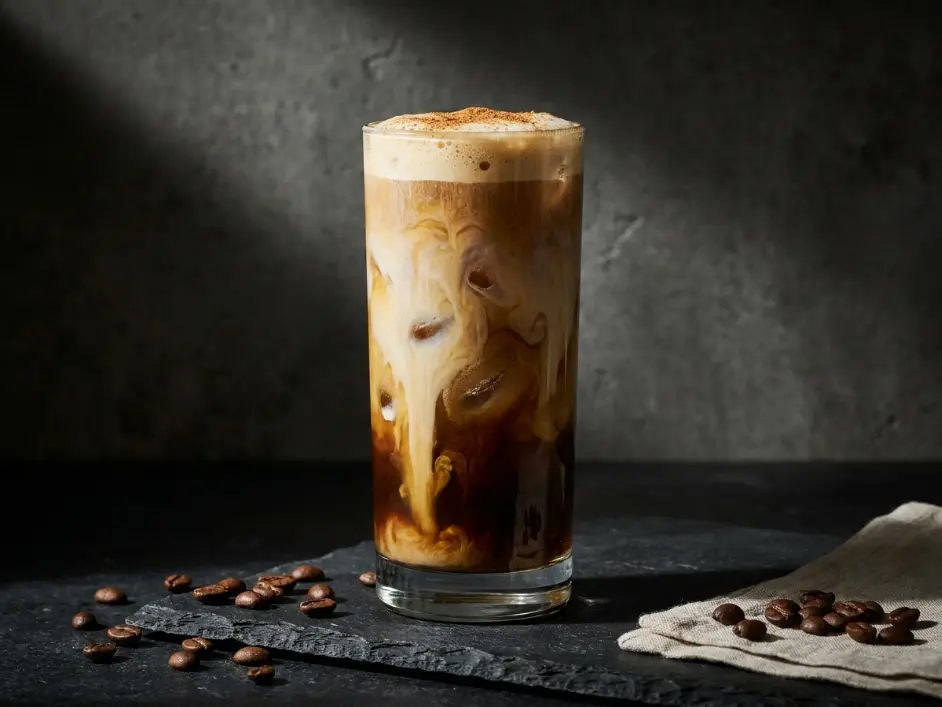
Aeration Mechanics and Fluid Thermodynamics of a Copycat Starbucks Iced Brown Sugar Oatmilk Shaken Espresso
You watch as a waterfall of velvety blonde oat milk cascades through dense ice cubes into a rich, micro-foamed mahogany coffee base, the layers marbling together in slow motion. Then you take the first sip and your heart sinks. A flat, watery, bitterly acidic beverage where thin store-bought syrup separates immediately at the bottom, and hot espresso melted the ice instantly into a bland puddle before the milk could even emulsify.
I have tested this method across dozens of batches in the Expert Palate test kitchen, adjusting one variable at a time to isolate exactly what makes the difference between a split, oily mess and a perfectly bound, velvety emulsion. The Copycat Starbucks Iced Brown Sugar Oatmilk Shaken Espresso is a masterclass in thermodynamics, kinetic aeration, and plant-based emulsion science—transforming simple ingredients into a coffeehouse beverage that rivals the original.
This is not just about shaking coffee with ice. This is about understanding how rapid thermal transfer creates stable microfoam, how plant lipids behave under acidic stress, and how timing your pours prevents structural collapse.
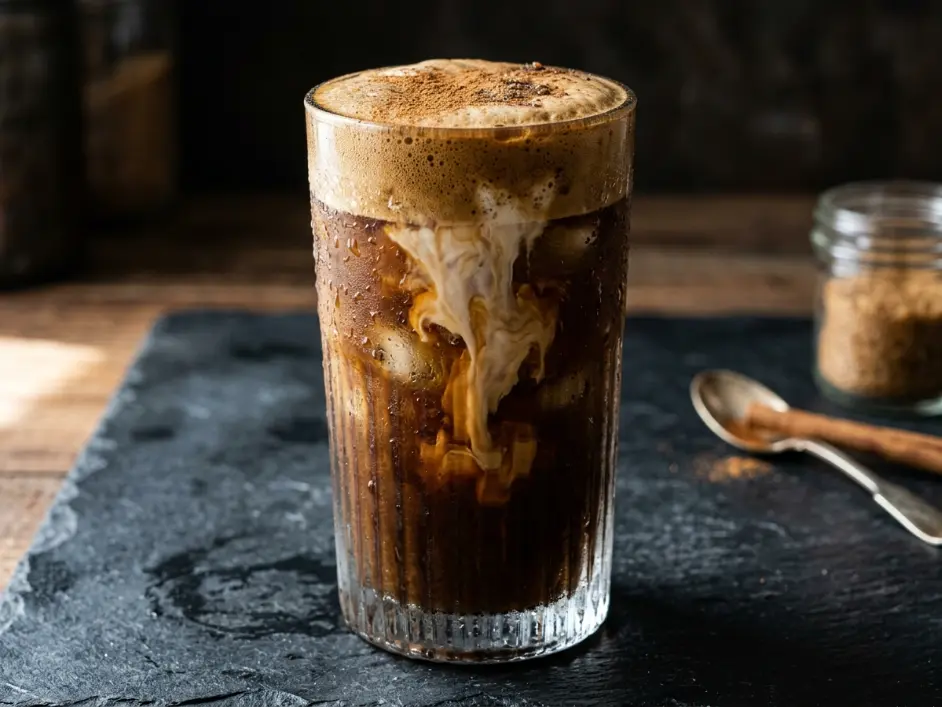
When planning morning rituals or café-style brunch spreads, understanding the science behind coffeehouse classics transforms everyday coffee into an experience.
The Molecular Caramelization Secrets Behind Honey Garlic Glazed Meatball Skewers
The Physics of Kinetic Aeration and Plant Lipid Emulsions
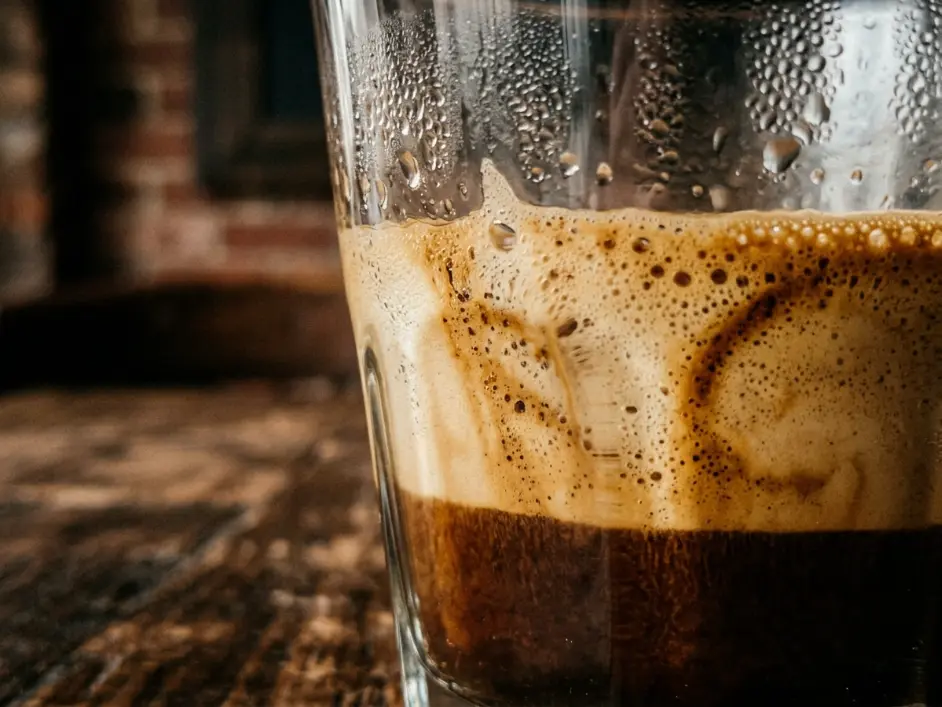
When you shake hot espresso with ice cubes in a sealed container, you create a violent collision of thermal and mechanical forces. The ice surface instantly chills the coffee, causing dissolved carbon dioxide gases to come out of solution and form tiny bubbles. Simultaneously, the mechanical agitation breaks apart espresso oils into microscopic droplets that wrap around these gas bubbles, creating a stable foam structure known as macrofoam.
This is fundamentally different from the microfoam created by steaming milk. Macrofoam has larger, more visible bubbles with a lighter, airier texture—perfect for iced beverages where you want visual drama and tactile contrast.
The challenge with plant-based milks like oat milk is structural stability under acidic conditions. Espresso has a pH of approximately 4.85 to 5.10—acidic enough to destabilize poorly formulated oat milk proteins and cause curdling. By evaluating the carbohydrate structures and natural sugar densities of oat milks through cross-referencing nutritional profiles from the USDA FoodData Central database, we understand that barista-edition oat milks contain added fats and stabilizers specifically engineered to withstand coffee acidity.
In simple terms: regular oat milk curdles because it lacks the fat and protein buffers to handle espresso’s acid punch. Barista oat milk is formulated with higher lipid content and emulsifying agents that keep it smooth and creamy even in hostile acidic environments.
Hot Espresso Volatiles+Kinetic Shaking Force+Ice Surface Friction→Stable Carbon Dioxide Microfoam Lattice
The brown sugar syrup plays a dual role. It adds sweetness and molasses complexity, but it also increases the viscosity of the liquid, which slows foam collapse. Higher viscosity means the bubbles drain more slowly, giving you a longer-lasting foam that holds its structure while you drink.
Pro Sourcing & Ingredient Selection
The espresso roast matters enormously. Choose a light roast, blonde espresso bean from specialty roasters or premium grocers. Light roasting preserves delicate fruit and floral acids that blend smoothly with warm molasses tones, creating complexity instead of the one-dimensional bitterness of dark roasts.
Starbucks specifically uses their Blonde Espresso Roast for this drink, which is roasted lighter and shorter than their standard espresso. This produces a sweeter, more mellow shot with caramel and citrus notes that complement the brown sugar instead of overwhelming it.
For the oat milk, source heavy, barista-edition formulations at high-end markets. Brands like Oatly Barista Edition, Chobani Extra Creamy, or Minor Figures are engineered specifically for coffee applications. They contain higher fat compositions—typically 3 to 5 percent fat compared to 1.5 to 2 percent in standard oat milk—which yields luxurious texturing power and resists curdling.
Never use regular drinking oat milk for this recipe. It will separate, curdle, and create a thin, watery texture that ruins the drink.
The sugar is equally critical. Select dark, unrefined brown sugar or Muscovado sugar for the syrup base. These sugars retain high concentrations of natural molasses, which creates the signature warm, caramel-like flavor profile. Standard light brown sugar, which is just white sugar with a molasses coating, produces a flatter, less interesting sweetness.
For the ice, use large, solid cubes frozen hard in a standard freezer. Small, crushed, or wet ice melts too quickly and dilutes the coffee before the aeration process can complete. Large cubes have a lower surface-area-to-volume ratio, which means they chill the beverage rapidly without excessive dilution.
Ingredients Table
| Category | Ingredient | US Customary | Metric |
|---|---|---|---|
| The Molasses Syrup Foundation | Dark brown sugar, unrefined molasses-rich | 2 tablespoons | 25g |
| Pure filtered water for syrup expansion | 2 tablespoons | 30ml | |
| Ground Ceylon cinnamon spice | ¼ teaspoon | 0.5g | |
| The Kinetic Coffee Core | Blonde roast espresso coffee beans | 2 shots (double) | 60ml |
| Solid large ice cubes, frozen hard | 1 cup | 150g | |
| The Plant-Based Cream Layer | Barista edition high-fat oat milk | ½ cup | 120ml |
Common Kitchen Blunders
| The Kitchen Blunder | What Actually Happens (Scientific Reality) | The Chef Joseph Fix |
|---|---|---|
| Pulling a standard dark roast espresso that overpowers the syrup with bitter carbon notes | Dark roasts contain high concentrations of carbonized compounds from extended roasting, creating harsh bitterness that dominates delicate brown sugar flavors | Use a blonde or light roast espresso specifically, which preserves fruity acids and caramel sweetness that harmonize with molasses notes |
| Utilizing thin skimmed oat milk that collapses structurally | Standard drinking oat milk contains 1.5-2% fat and lacks stabilizers, causing it to separate and curdle when exposed to espresso acidity | Source barista-edition oat milk with 3-5% fat content and added emulsifiers engineered for coffee acid resistance |
| Shaking with shattered wet ice chips that instantly dilute the coffee | Small ice particles have massive surface area that melts rapidly, flooding the drink with water before aeration completes | Use large, solid ice cubes frozen completely hard with minimal surface moisture for controlled dilution and maximum chilling |
| Pouring un-chilled hot syrup directly over ice cubes | Hot syrup immediately melts ice before the espresso can aerate, creating watery dilution and temperature imbalance | Cool the brown sugar syrup completely to room temperature or refrigerate before adding to the shaker |
| Forgetting to shake the cocktail container with sufficient force to generate microfoam | Gentle agitation produces minimal aeration and no stable foam structure, resulting in a flat, visually unappealing beverage | Shake vigorously with high kinetic force for 15 full seconds to create maximum gas incorporation and foam lattice formation |
| Adding oat milk before shaking instead of after straining | Shaking dairy alternatives with ice creates structural breakdown and separation, destroying the creamy texture and visual layering | Always add oat milk as the final step after straining the aerated espresso into the serving glass |
Step-by-Step Method
Step 1: Molasses Inversion and Syrup Synthesis
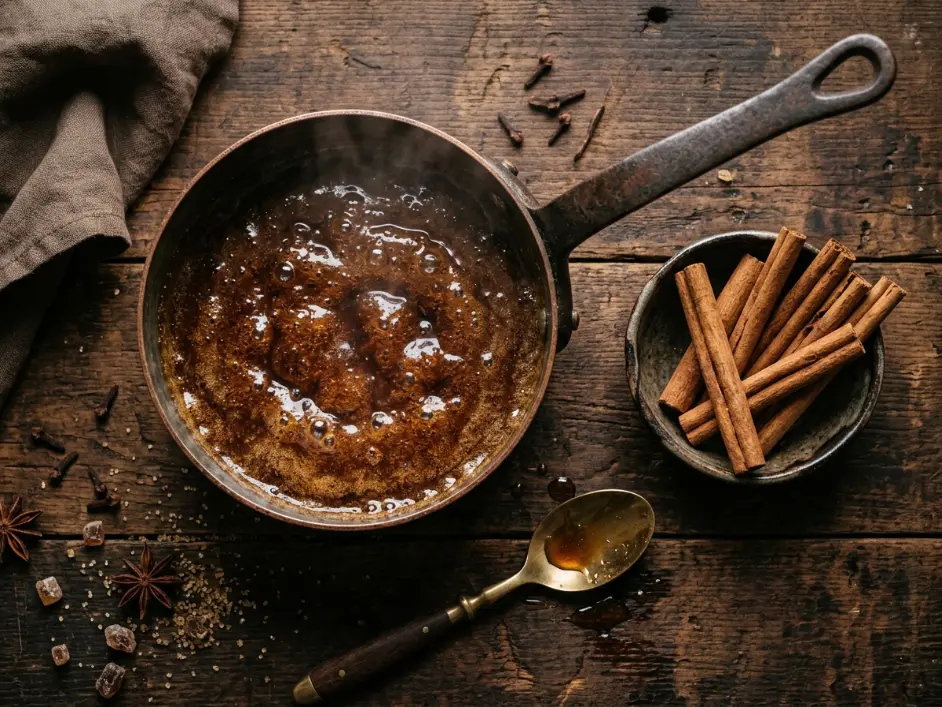
In a small saucepan, combine the dark brown sugar with an equal volume of filtered water. Place over medium heat and stir gently until the sugar crystals dissolve completely into the liquid.
Once dissolved, bring the mixture to a gentle simmer and cook for 3 minutes without stirring. This brief simmering concentrates the syrup slightly and allows the molasses compounds to integrate fully with the water, creating a cohesive, viscous base.
Remove from heat and let the syrup cool completely to room temperature before using. Hot syrup will melt your ice instantly and throw off the entire thermal balance of the drink.
You can make this syrup in larger batches and store it in the refrigerator for up to two weeks. Just ensure it returns to room temperature before using, or it will be too thick to mix properly.
Step 2: Extracting the Blonde Crema Core
Grind your blonde roast espresso beans to a fine consistency—finer than drip coffee but not quite as powdery as Turkish coffee. The grind should feel like fine sand between your fingers.
As highlighted in extraction dynamics discussed over at Serious Eats, grinding espresso fresh seconds before brewing maximizes volatile flavor retention and prevents early crema staling, which is critical for achieving the aromatic complexity this drink demands.
Pull a double shot of espresso using your espresso machine, aiming for 2 fluid ounces / 60ml extracted in approximately 25 to 30 seconds. The espresso should have a thick, golden-brown crema on top and a rich, syrupy body.
If you do not have an espresso machine, a stovetop Moka pot can produce a strong, concentrated coffee that works as a substitute, though the crema will be less pronounced.
Use the espresso immediately while it is hot—fresh espresso has volatile aromatic compounds that dissipate within minutes of extraction.
Step 3: Kinetic Cavitation and Macrofoam Aggregation
Add 1 tablespoon of your cooled brown sugar syrup to the base of a Boston-style cocktail shaker or any sealable container with at least 16 ounces of capacity.
Pour the hot, freshly pulled espresso shots directly over the syrup. The heat will help the syrup integrate into the coffee base.
Fill the shaker completely to the brim with large, solid ice cubes. You want the ice to occupy about two-thirds of the total volume—this creates the thermal mass needed for rapid chilling without excessive dilution.
Add a generous pinch of ground Ceylon cinnamon directly into the ice and espresso mixture. The cinnamon will infuse during shaking, adding aromatic complexity.
Seal the shaker tightly—check that both the top and bottom are secure. If using a mason jar, ensure the lid is screwed on completely.
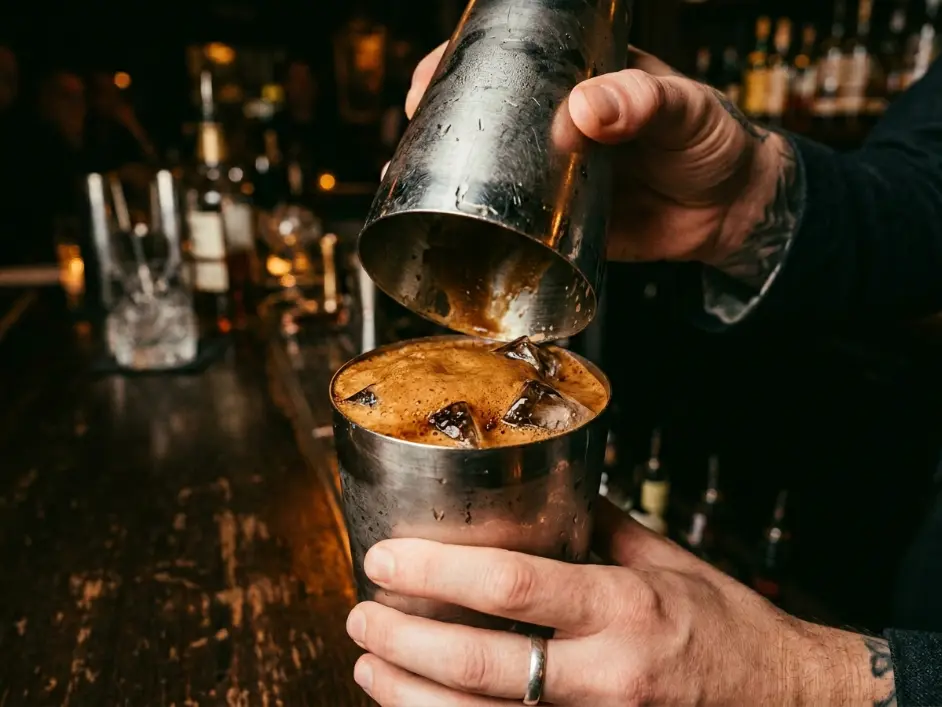
Now shake vigorously with high kinetic force for 15 full seconds. You should hear the ice crashing against the sides of the shaker with every movement. This violent agitation is what creates the aeration and foam structure.
Your arms will be tired. That is the point. Weak shaking produces weak foam.
Step 4: The Layered Barista Oatmilk Infusion
Immediately after shaking, strain the chilled, foamy espresso mixture into a tall serving glass, pouring the ice cubes in along with the liquid. The foam should sit on top of the ice in a thick, creamy layer.
Do not wait—the foam begins to collapse within seconds of stopping the agitation.
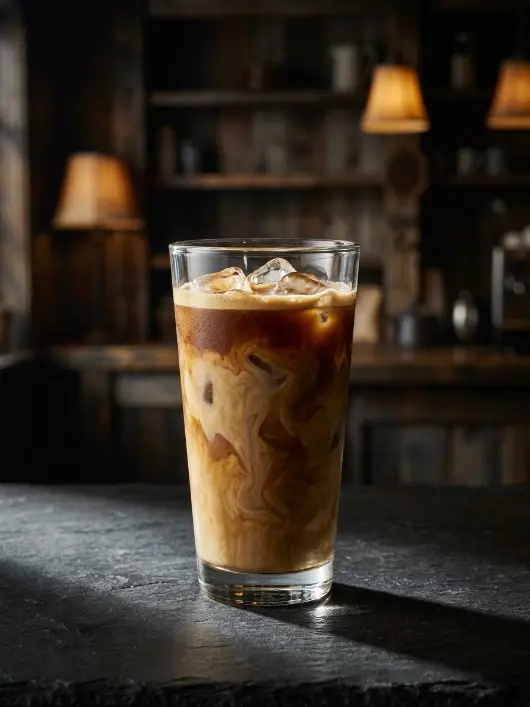
Now pour the cold barista-edition oat milk slowly into the glass, aiming for the center. The milk will cascade through the foam and ice, creating beautiful marbled layers as it mixes with the espresso.
Do not stir. The visual layering and gradual mixing as you drink is part of the experience.
Serve immediately with a straw or spoon straw for maximum enjoyment. The drink is designed to be consumed quickly while the foam is still thick and the temperature contrast between ice and coffee is pronounced.
Chef Joseph’s Insight
“Cooking is not just chemistry — it is memory made edible. When others gather around a table and tear off that first piece of warm, crunchy bread to plunge it into a bubbling, velvety center, the science fades away and pure connection takes over. The most powerful moves in the kitchen are almost always the quiet ones. The overnight rest. The proper preheat. The two-minute wait before you plate. It is the patience to wring out every last drop of moisture from your greens, and the care you take in picking the right cheese. Take your time, respect the process, and your kitchen will always reward you.”
— Chef Joseph | Expert Palate
When building a complete café-style beverage menu at home, understanding the science behind commercial drinks transforms simple coffee into ritual and comfort.
Decoding the Science of a Perfectly Emulsified Creamy Buffalo Chicken Dip with Tortilla Chips
Technical Data & Nutrition Table
Per Serving (1 full beverage):
| Nutrient | Amount |
|---|---|
| Calories | 145 kcal |
| Protein | 2g |
| Total Fat | 3g |
| Saturated Fat | 0.5g |
| Carbohydrates | 28g |
| Sodium | 85mg |
| Cholesterol | 0mg |
Note: Nutritional values are careful kitchen estimates based on standard ingredient databases and may vary depending on specific brands and preparation methods used.
Food Safety & Thermal Management
Because this beverage contains plant-based dairy and a sugar syrup, proper storage and temperature management are essential. Oat milk and homemade syrups must be stored at 40°F / 4°C or below to prevent bacterial growth and spoilage.
The danger zone for bacterial growth spans 40°F to 140°F / 4°C to 60°C. Oat milk left at room temperature for more than two hours enters this zone and should be discarded.
Executing complex, cold beverage formulas safely at home for large group brunches or gatherings mirrors the health and cooling standards mapped out by the Food Network. Always keep oat milk refrigerated until the moment of use, and serve beverages immediately after assembly.
Homemade brown sugar syrup stored in a sealed container in the refrigerator will last up to two weeks. Discard if you see any cloudiness, mold, or off odors.
Never store a fully assembled shaken espresso beverage—the ice will melt, the foam will collapse, and the flavors will become dull and watery within minutes.
Storage & Reheating Matrix
| Item State | Fridge Storage Limit | Freezer Safety Option | The Absolute Best Reheating Method |
|---|---|---|---|
| Brown Sugar Molasses Syrup Concentrate | 2 weeks in airtight container in refrigerator | Up to 3 months in freezer-safe container; thaw in fridge overnight | Bring to room temperature before use; do not reheat as it will become too thin and lose viscosity |
| Fully Assembled Shaken Espresso Beverage | Cannot be stored after assembly without structural and flavor destruction | Not applicable—ice-shaken beverages must be consumed immediately | Cannot be reheated or stored; foam collapses and ice melts, destroying texture and flavor |
Copycat Starbucks Iced Brown Sugar Oatmilk Shaken Espresso
Ingredients
Equipment
Method
- Combine the dark brown sugar and filtered water in a small saucepan over medium heat, stirring until the sugar crystals dissolve completely.
- Simmer the syrup gently for three minutes until a cohesive molasses glaze forms, then remove from heat and cool down completely to room temperature.
- Grind the blonde roast coffee beans to a fine espresso consistency seconds before brewing to maximize volatile flavor retention.
- Extract two shots of concentrated espresso using an espresso machine or Moka pot, aiming for sixty milliliters total volume.
- Add one tablespoon of the cooled brown sugar syrup concentrate into the base of a stainless steel cocktail shaker.
- Pour the hot freshly extracted espresso shots directly over the syrup base inside the cocktail shaker.
- Fill the shaker container completely to the brim with large solid dense ice cubes to manage thermal mass and control dilution.
- Add a generous pinch of ground Ceylon cinnamon directly into the ice and espresso mixture matrix for aromatic infusion.
- Seal the shaker caps tightly and shake vigorously with high kinetic force for fifteen full seconds to create stable macrofoam aeration.
- Immediately strain the chilled foamy espresso solution along with the ice cubes into a tall serving glass tumbler.
- Pour cold barista edition oat milk slowly into the center of the glass, allowing it to cascade through the espresso foam and create beautiful marbled layers.
- Serve immediately without stirring to preserve the visual layering and foam structure.
Notes
Frequently Asked Culinary Questions
Why does my espresso foam disappear within thirty seconds of pouring the oat milk?
Foam collapses rapidly when the liquid viscosity is too low or when the bubbles are too large and unstable. Ensure you are shaking vigorously for the full 15 seconds to create a dense, fine-bubble foam structure. Also, use a syrup with adequate sugar concentration—thin, watery syrup does not support foam stability. Finally, pour the oat milk slowly and gently to avoid mechanically disrupting the foam layer.
Can I substitute regular white sugar with molasses added instead of buying brown sugar?
Technically yes, but the flavor will be different. Mix 2 tablespoons of white granulated sugar with 1 teaspoon of unsulfured molasses to approximate brown sugar. However, true brown sugar or Muscovado sugar contains a more complex molasses profile with mineral notes that pure molasses cannot fully replicate. For the most authentic flavor, use real unrefined brown sugar.
Is a standard cocktail shaker mandatory, or can a mason jar achieve the same foam?
Any sealable container works as long as it has enough internal volume for the ice and coffee to move violently during shaking. A mason jar with a tight-sealing lid works perfectly. The key is vigorous shaking with enough space for kinetic movement—if the container is too small or too full, you will not generate adequate aeration.
Why did my barista oat milk curdle into tiny white specks when it mixed with the hot espresso?
This happens when you add oat milk directly to hot espresso without chilling the coffee first. The combination of high temperature and acid shock denatures the oat proteins and causes coagulation. Always shake the espresso with ice to chill it rapidly before adding the oat milk. The final beverage should be cold when the milk is added, which prevents curdling.