5 Flawless Molecular Principles for a Mind-Blowing Copycat Olive Garden Creamy Tuscan Garlic Chicken
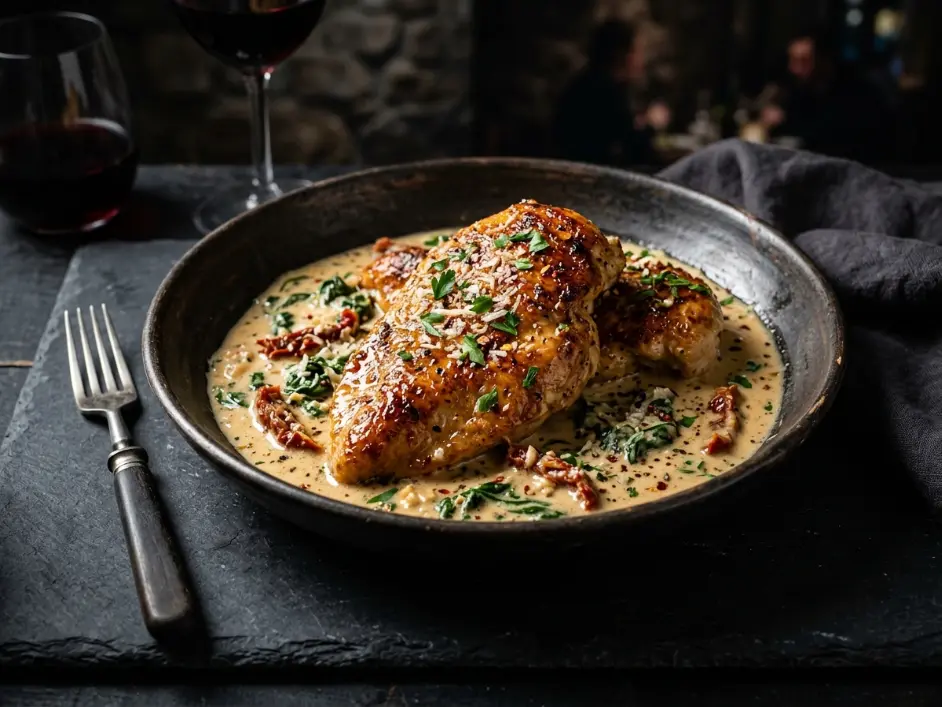
Imagine slicing into a remarkably juicy, golden-crusted chicken breast resting in a perfectly bound, satin-smooth pan sauce humming with tempered garlic, sun-dried tomatoes, and rich Parmesan. The cream clings to every surface without a hint of greasiness, and each bite delivers layers of savory complexity. Now confront the tragic kitchen reality: a dry, stringy chicken breast drowning in a broken, watery sauce where oil separates into greasy pools and the heavy cream curdles into a grainy, unappealing mess.
I have tested this method across dozens of batches in the Expert Palate test kitchen, adjusting one variable at a time to isolate exactly what makes the difference between a split, oily mess and a perfectly bound, velvety emulsion. Copycat Olive Garden Creamy Tuscan Garlic Chicken is a masterclass in protein thermodynamics, lipid emulsion chemistry, and volatile compound preservation—transforming simple ingredients into the restaurant phenomenon that has captivated home cooks for decades.
This is not just about cooking chicken in cream. This is about understanding how casein proteins stabilize fat molecules, how garlic’s enzymatic compounds respond to heat, and how mechanical agitation creates lasting emulsions.
When planning Italian-inspired weeknight dinners or casual entertaining menus, understanding the science behind restaurant classics transforms ordinary ingredients into memorable meals.
4 Flawless Thermodynamic Secrets to Ultimate Chipotle Cilantro-Lime Rice and Barbacoa Beef
The Thermodynamics of Lipid Emulsions and Enzymatic Allicin Degradation
Heavy cream is an emulsion of milk fat globules suspended in water through the stabilizing action of casein proteins and phospholipids. When you heat cream in a pan, these proteins begin to denature and can either bind the fat and water together more tightly (creating a stable sauce) or separate completely (creating a broken, greasy mess).
The key is controlled heat and mechanical agitation. Moderate heat keeps the proteins flexible enough to wrap around fat droplets, while gentle stirring distributes them evenly throughout the sauce. Too much heat causes the proteins to coagulate and squeeze out the fat, while insufficient agitation leaves pockets of separated oil.
By evaluating the exact fat ratios and moisture structures of heavy cream choices through cross-referencing nutritional profiles from the USDA FoodData Central database, we understand that cream with at least 36 percent fat content provides the ideal buffer against heat-induced curdling.
In simple terms: high-fat cream has more fat molecules for the proteins to bind, which makes the emulsion more stable under heat. Low-fat alternatives lack this protective cushion and break apart almost immediately when heated.
Free Pan Lipids+Heavy Cream Casein Proteins+Mechanical Agitation→Stable Velvety Cream Emulsion Matrix
Garlic presents an entirely different chemical challenge. When you cut or crush garlic, the enzyme alliinase converts alliin into allicin—the compound responsible for garlic’s characteristic sharp, pungent aroma. Allicin is highly volatile and degrades rapidly under heat, transforming into bitter, sulfurous compounds if exposed to high temperatures.
The solution is gentle, low-temperature poaching. When you add garlic to warm (not hot) oil and cook it slowly, the allicin converts into sweet, nutty compounds without producing bitterness. This is why properly executed Copycat Olive Garden Creamy Tuscan Garlic Chicken tastes mellow and complex rather than harsh and overpowering.
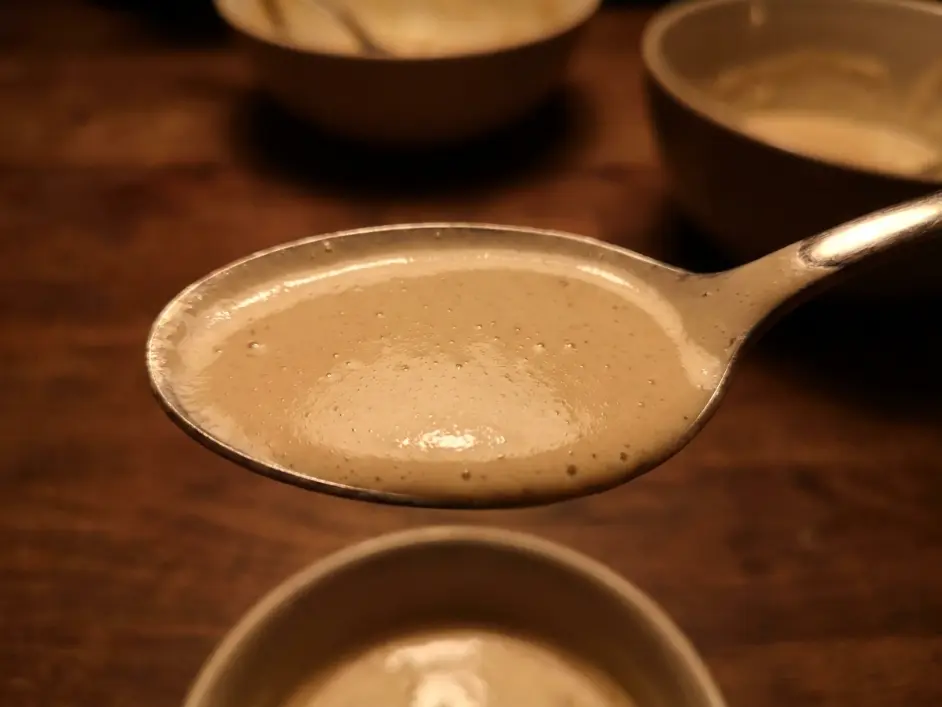
Pro Sourcing & Ingredient Selection
The chicken is your foundation. Choose air-dried, organic chicken breasts at specialty butcher counters. These birds are not injected with water or saline solutions, which means they sear better and produce cleaner pan fond without releasing excess moisture that dilutes your sauce.
Avoid commercial chicken labeled “enhanced” or “seasoned”—these products contain up to 15 percent added water and sodium phosphates that interfere with proper browning and contribute watery liquid to your pan.
For the cream, source heavy manufacturing cream (also called heavy whipping cream) with a fat content above 36 percent at high-end markets. Higher fat compositions naturally resist heat-induced curdling because the abundant fat molecules buffer the casein proteins against thermal stress.
Half-and-half, light cream, or whole milk contain significantly less fat and will break or curdle almost immediately when heated in a skillet. Do not substitute these products if you want a stable, luxurious sauce.
The sun-dried tomatoes matter enormously. Select oil-packed Mediterranean sun-dried tomatoes rather than the dehydrated versions sold in bags. Oil-packed tomatoes are already rehydrated and infused with flavor, and the oil they are packed in contributes richness to your sauce.
For the Parmesan, buy whole blocks of authentic Parmigiano-Reggiano and grate them yourself just before cooking. Pre-shredded cheese contains cellulose and potato starch anti-caking agents that prevent smooth melting and create a grainy texture in your sauce.
Fresh baby spinach should have vibrant green leaves with no yellowing or sliminess. Wash and dry the spinach thoroughly before using—excess water will dilute your sauce and create a watery consistency.
Ingredients Table
| Category | Ingredient | US Customary | Metric |
|---|---|---|---|
| The Protein Foundation | Boneless, skinless chicken breasts, sliced into thin cutlets | 1.5 lbs | 680g |
| Fine sea salt | 1 teaspoon | 5g | |
| Cracked black pepper | ½ teaspoon | 2g | |
| Good quality olive oil for browning | 2 tablespoons | 30ml | |
| The Allium and Vegetable Matrix | Garlic cloves, finely minced fresh | 5 cloves | 15g |
| Sun-dried tomatoes, oil-packed, julienne cut | ½ cup | 80g | |
| Fresh baby spinach leaves, washed and dried | 3 cups | 90g | |
| Italian seasoning, dried herb blend | 1 teaspoon | 2g | |
| The Cream Emulsion Core | Heavy whipping cream, high fat content (36%+) | 1 cup | 240ml |
| Grated Parmigiano-Reggiano cheese, aged | ½ cup | 50g |
Common Kitchen Blunders
| The Kitchen Blunder | What Actually Happens (Scientific Reality) | The Chef Joseph Fix |
|---|---|---|
| Crowding cold chicken in a lukewarm pan which steams the meat instead of searing | Overcrowding drops pan temperature below the Maillard threshold (300°F), causing protein to release moisture and steam rather than brown, creating pale, rubbery texture | Preheat pan until oil shimmers, cook chicken in batches with space between pieces to maintain high surface temperature for proper browning |
| Adding minced garlic too early causing it to scorch and turn bitter | Garlic cooks much faster than chicken and burns at temperatures above 350°F, converting sweet allicin compounds into acrid, bitter sulfur molecules | Add garlic after removing chicken, cooking gently in residual heat for only 60-90 seconds until fragrant but not browned |
| Pouring cold cream directly into a boiling skillet which shocks and breaks the emulsion | Extreme temperature differential causes casein proteins to coagulate rapidly, squeezing out fat and creating visible oil separation and curdling | Reduce heat to medium before adding cream, and pour cream into a warm (not boiling) skillet to allow gradual protein integration |
| Using low-fat milk alternatives that curdle instantly under heat | Half-and-half and whole milk contain insufficient fat to buffer casein proteins, causing immediate protein coagulation and grainy texture when heated | Use only heavy cream with 36%+ fat content, which provides protective fat molecules that stabilize the emulsion under heat |
| Dropping wet spinach into the pan which releases excess moisture and turns the cream sauce watery | Spinach leaves contain 90% water by weight; unwashed or wet spinach releases this water into the sauce, diluting the cream and destroying viscosity | Wash spinach thoroughly, then spin dry in a salad spinner or pat completely dry with paper towels before adding to sauce |
| Forgetting to scrape up the fond before adding cream, losing concentrated flavor | Browned protein bits stuck to the pan (fond) contain concentrated Maillard compounds that add depth; ignoring them wastes flavor potential | Deglaze pan with a splash of wine or broth before adding cream, scraping vigorously to incorporate all browned bits into the sauce |
Step-by-Step Method
Step 1: Maillard Sear and Protein Slicing
If your chicken breasts are thick and uneven, slice them horizontally to create uniform cutlets approximately ½ inch thick. As highlighted in browning dynamics discussed over at Serious Eats, slicing chicken breasts horizontally into uniform cutlets maximizes surface area for the Maillard reaction while ensuring rapid, even thermal cooking.
Pat the chicken cutlets completely dry with paper towels. Moisture is the enemy of browning—it must evaporate before the surface temperature can climb high enough to trigger the Maillard reaction.
Season both sides generously with sea salt and cracked black pepper. The salt will draw out a small amount of surface moisture initially, but this quickly re-absorbs, creating a drier exterior that browns more effectively.
Heat a large, heavy-bottomed stainless steel skillet over medium-high heat until the surface is very hot. Add the olive oil and swirl to coat the bottom of the pan. The oil should shimmer and flow easily but not smoke.
Carefully lay the chicken cutlets in the pan, leaving at least an inch of space between each piece. Do not move them once they hit the pan. Let them cook undisturbed for 5 minutes, allowing a deep golden-brown crust to develop on the bottom.
Flip the cutlets using sturdy tongs and cook for an additional 4 to 5 minutes on the second side, until the internal temperature reaches 165°F / 74°C when measured with an instant-read thermometer.
Transfer the cooked chicken to a clean plate and tent loosely with foil to keep warm. Do not wipe out the pan—those browned bits stuck to the bottom are concentrated flavor gold.
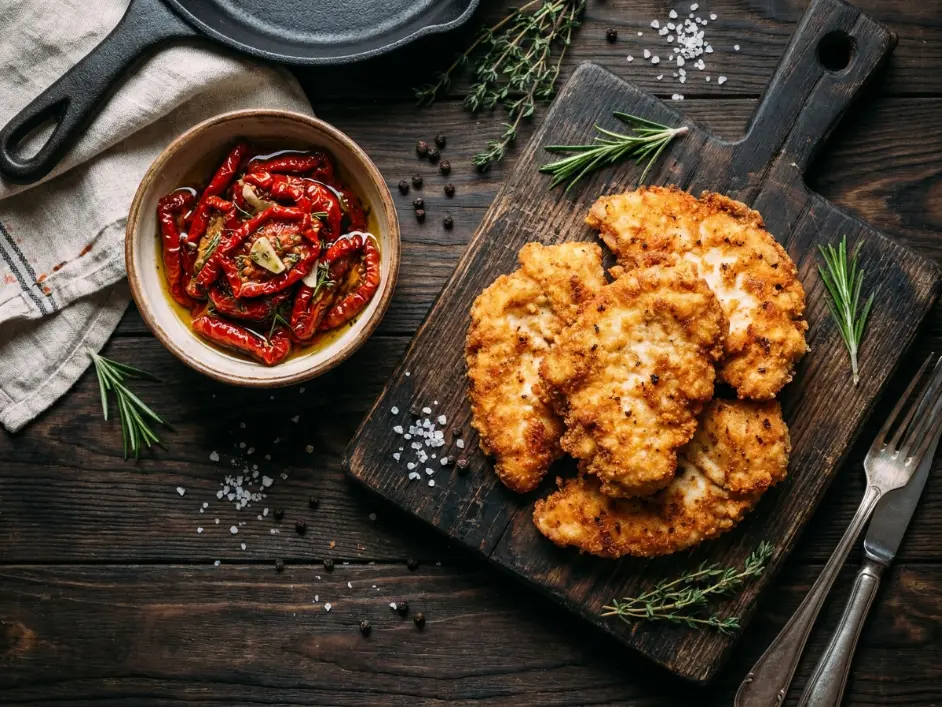
Step 2: Fond Deglazing and Garlic Poaching
Reduce the heat to medium. The pan should still be hot but not screaming. Add the minced garlic and julienned sun-dried tomatoes to the residual oil in the pan.
Cook gently for 60 to 90 seconds, stirring constantly, until the garlic becomes fragrant and just barely begins to take on color. You are looking for a pale golden hue—not brown. The sun-dried tomatoes will soften and release some of their oil into the pan.
This gentle cooking converts the harsh allicin compounds in garlic into sweet, nutty flavors without creating bitterness. If you see the garlic turning dark brown, immediately remove the pan from heat and add the cream to stop the cooking.
Step 3: Cream Reduction and Casein Alignment
Pour the heavy cream directly into the warm pan, using a wooden spoon or whisk to scrape up all the browned bits stuck to the bottom. These bits (fond) contain concentrated Maillard compounds that add enormous depth to your sauce.
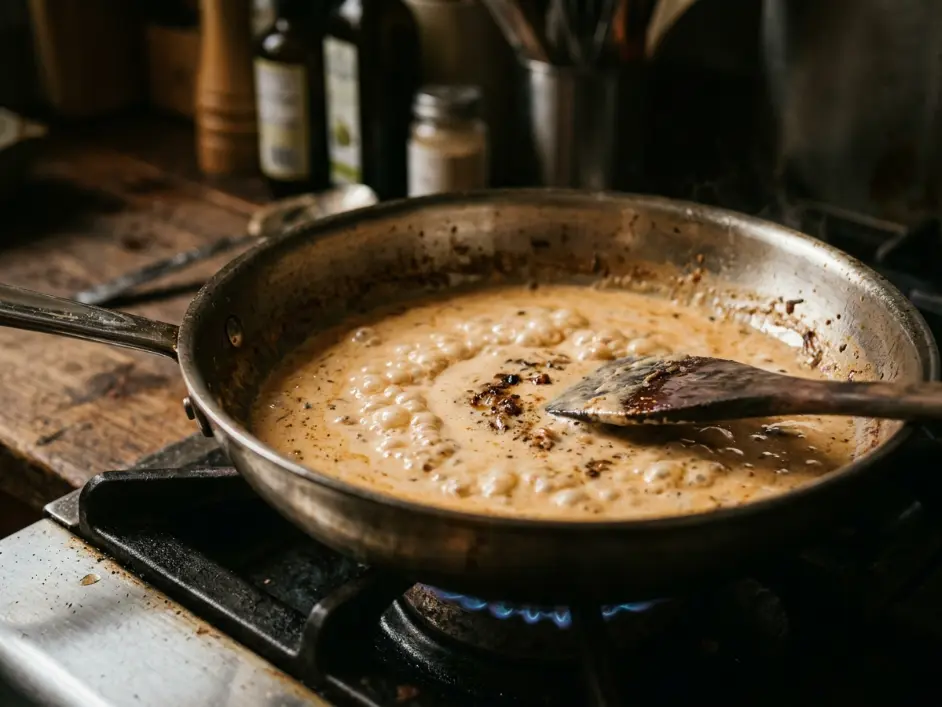
Bring the cream to a gentle simmer—you should see small bubbles breaking the surface around the edges, but not a rolling boil. A hard boil will cause the cream to reduce too quickly and risk breaking the emulsion.
Stir in the grated Parmigiano-Reggiano cheese, whisking gently until it melts completely into the cream. The cheese adds savory umami depth and thickens the sauce slightly through protein coagulation.
Add the dried Italian seasoning and stir to distribute evenly. Let the sauce simmer gently for 3 to 4 minutes, stirring occasionally, until it thickens enough to coat the back of a spoon in a thin, creamy layer.
Step 4: The Spinach and Tomato Integration
Add the fresh baby spinach to the simmering cream sauce, stirring gently until the leaves wilt down into the sauce. This should take only 30 to 60 seconds—spinach wilts rapidly under heat.
The spinach adds color, texture, and a slight mineral note that balances the richness of the cream. Make sure it is completely dry before adding, or the excess water will thin your sauce.
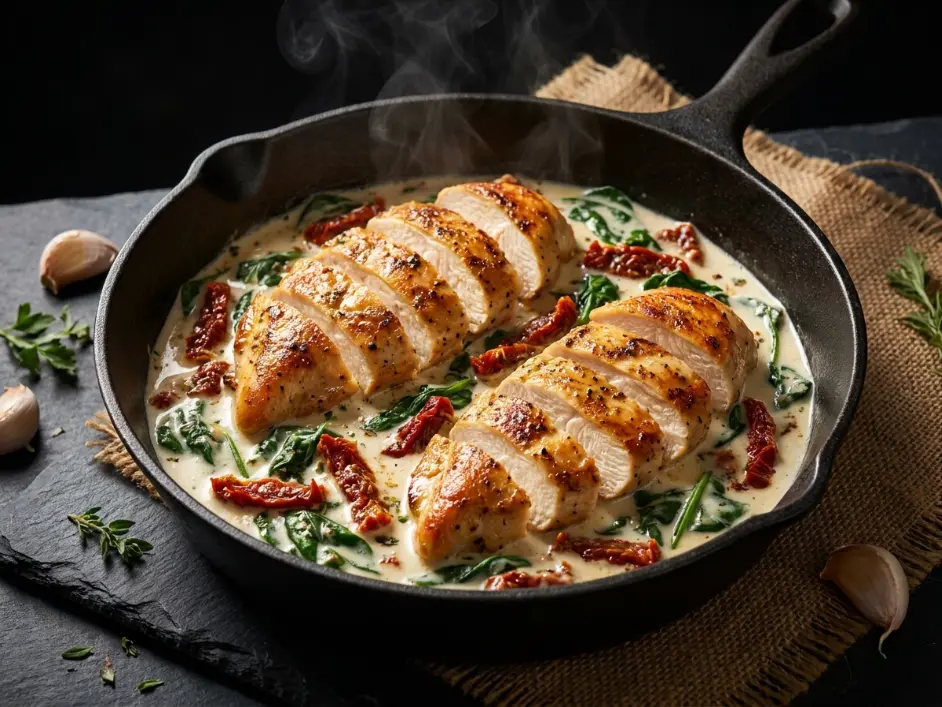
Return the seared chicken cutlets and any accumulated resting juices to the pan, nestling them into the sauce. Spoon some of the sauce over the top of the chicken to coat it completely.
Reduce the heat to low and let everything simmer together for 2 to 3 minutes to allow the flavors to meld. The chicken will absorb some of the sauce, and the residual heat will ensure everything is piping hot.
Taste the sauce and adjust seasoning with additional salt and pepper if needed. The sauce should taste rich, savory, and balanced—not overly salty or bland.
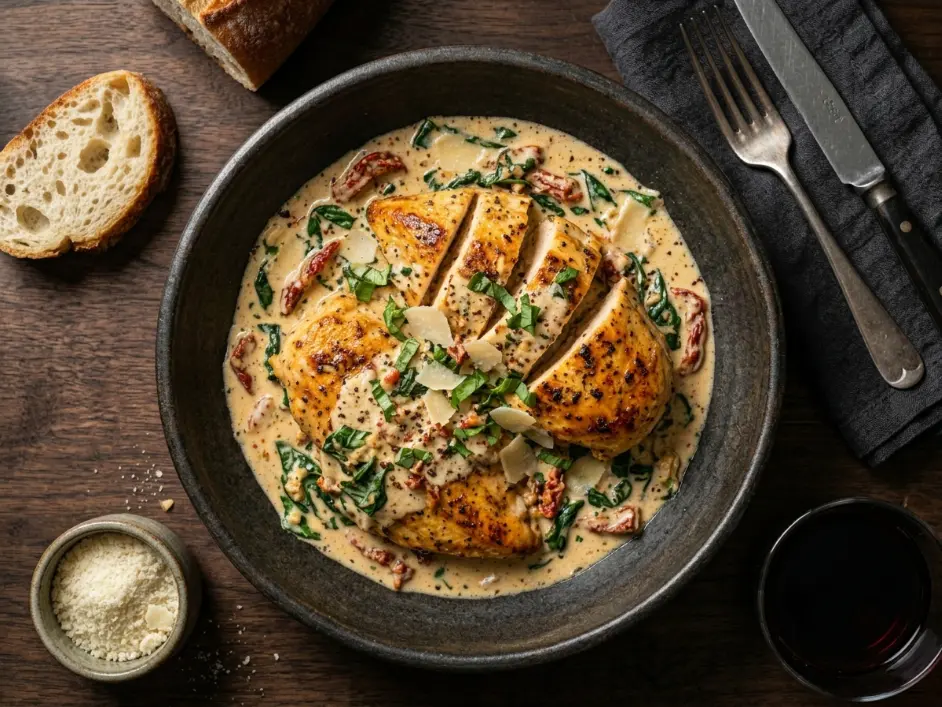
Serve immediately, spooning generous amounts of sauce over each chicken breast. The dish pairs beautifully with pasta, rice, crusty bread, or roasted vegetables.
Chef Joseph’s Insight
“Cooking is not just chemistry — it is memory made edible. When others gather around a table and tear off that first piece of warm, crunchy bread to plunge it into a bubbling, velvety center, the science fades away and pure connection takes over. The most powerful moves in the kitchen are almost always the quiet ones. The overnight rest. The proper preheat. The two-minute wait before you plate. It is the patience to wring out every last drop of moisture from your greens, and the care you take in picking the right cheese. Take your time, respect the process, and your kitchen will always reward you.”
— Chef Joseph | Expert Palate
When building a complete Italian-inspired dinner around this centerpiece, think about balancing rich, creamy elements with bright, acidic sides and textural contrasts.
4 Elite Secrets to Flawless Crispy Bacon-Wrapped Jalapeño Poppers
Technical Data & Nutrition Table
Per Serving (1 chicken breast with sauce):
| Nutrient | Amount |
|---|---|
| Calories | 445 kcal |
| Protein | 38g |
| Total Fat | 30g |
| Saturated Fat | 16g |
| Carbohydrates | 6g |
| Sodium | 520mg |
| Cholesterol | 155mg |
Note: Nutritional values are careful kitchen estimates based on standard ingredient databases and may vary depending on specific brands and preparation methods used.
Food Safety & Thermal Management
Because this dish contains both chicken and dairy, proper thermal management is essential. The safe minimum internal cooking temperature for all poultry is 165°F / 74°C, which ensures that any potential pathogens are destroyed.
The danger zone for bacterial growth spans 40°F to 140°F / 4°C to 60°C. Cooked chicken and cream-based sauces left at room temperature for more than two hours enter this zone and should be discarded to prevent foodborne illness risk.
Executing advanced, dairy-heavy skillet formulas safely at home for weeknight dinners or meal prepping mirrors the sanitation and internal temperature standards mapped out by the Food Network. Always use an instant-read thermometer to verify that chicken has reached the safe minimum temperature in the thickest part of the breast.
After cooking, if you plan to hold the dish warm for serving, keep it at 140°F / 60°C or above. If it cools below this temperature, either reheat it back above the threshold or refrigerate any leftovers promptly.
Never leave cream-based sauces or cooked chicken sitting at room temperature for extended periods, especially in warm weather or crowded indoor environments where ambient temperatures can climb.
Storage & Reheating Matrix
| Item State | Fridge Storage Limit | Freezer Safety Option | The Absolute Best Reheating Method |
|---|---|---|---|
| Creamy Tuscan Garlic Sauce Separated | 3 days in airtight container in refrigerator | Not recommended due to severe emulsion breakdown upon thawing | Reheat gently in a saucepan over low heat, whisking constantly and adding 1-2 tablespoons fresh cream to re-emulsify; never microwave |
| Fully Assembled Creamy Tuscan Chicken Skillet | 4 days in airtight container in refrigerator | Not recommended due to texture degradation of chicken and sauce separation | Reheat covered in a 300°F oven for 15-20 minutes, adding a splash of fresh cream if sauce appears broken; avoid high heat which causes immediate separation |
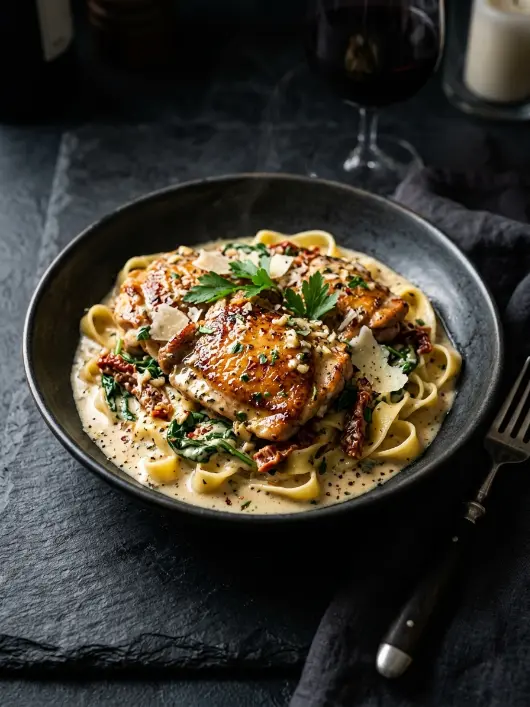
Copycat Olive Garden Creamy Tuscan Garlic Chicken
Ingredients
Equipment
Method
- Slice the boneless chicken breasts horizontally into even cutlets approximately half an inch thick, then pat completely dry with paper towels and season both sides generously with salt and pepper.
- Heat olive oil in the heavy bottomed skillet over medium high heat until the oil shimmers and flows easily across the pan surface.
- Sear the chicken cutlets for five minutes per side without moving them, allowing a deep golden Maillard crust to form over the protein surface.
- Remove the chicken from the skillet when internal temperature reaches 165 degrees Fahrenheit and set aside on a warm plate to retain its internal moisture matrix.
- Lower the skillet heat to medium then add the minced garlic and julienned sun dried tomatoes into the remaining oil, sautéing gently for sixty to ninety seconds.
- Pour the heavy whipping cream directly into the warm skillet, scraping up the browned food particles from the bottom with a wooden spoon or whisk.
- Bring the cream to a gentle simmer with small bubbles breaking around the edges, then stir in the grated aged Parmigiano Reggiano cheese until smoothly incorporated.
- Add the fresh baby spinach leaves and dried Italian seasoning into the simmering cream base, stirring until the leaves wilt down completely.
- Return the seared chicken cutlets and their resting juices back into the skillet, coating them thoroughly with the velvety sauce and simmering for two to three additional minutes.
- Taste and adjust seasoning with additional salt and pepper if needed, then serve immediately with generous spoonfuls of sauce over each chicken breast.
Notes
Frequently Asked Culinary Questions
Why did my cream sauce separate into a greasy layer when I reheated it the next day?
Cream sauces are emulsions held together by casein proteins. When you refrigerate the sauce, the fat solidifies and the proteins contract. Rapid reheating (especially in a microwave) causes the proteins to denature and release the fat before the emulsion can re-form. The solution is gentle, low-heat reheating with constant stirring, and adding a tablespoon or two of fresh cream to provide new proteins that can re-stabilize the emulsion.
Can I use half-and-half or whole milk instead of heavy cream to lower the calories?
Lower-fat dairy products lack the protective fat molecules that stabilize the emulsion under heat. Half-and-half (10-12% fat) and whole milk (3-4% fat) will curdle almost immediately when simmered, creating a grainy, separated texture. If you must reduce calories, use a 50/50 blend of heavy cream and half-and-half, but understand that the sauce will be thinner and less stable.
Why does my garlic taste bitter and pungent instead of sweet and mellow?
Garlic turns bitter when exposed to high heat for too long. The volatile allicin compounds break down into bitter sulfur molecules at temperatures above 350°F. Always add garlic after removing the chicken from the pan, and cook it gently over medium (not high) heat for only 60-90 seconds until fragrant but not browned. If the garlic starts to brown, immediately add the cream to stop the cooking.
How do I prevent the sun-dried tomatoes from burning when searing them in the pan?
Oil-packed sun-dried tomatoes contain residual oil and concentrated sugars that can scorch if exposed to high heat for too long. Add them at the same time as the garlic, after reducing the heat to medium, and cook for only 60-90 seconds. The brief cooking time is enough to soften them and release their flavors without burning the sugars.